- Who We Are
- Clinician Employment
- Publications
- Witness to Witness (W2W)
- El Premio Kugel & Zuroweste a la Justicia en la Salud
- Your Voice Matters: Photovoice Project


DATE: December 9, 2021 | 10 am (PT) / 1 pm (ET)
Description
Joe and his crew of painters arrived at their worksite ready for the day’s work. The job at hand involved stripping paint in a small room and the boss said not to come out until the job was done. It didn’t take long before Jason began feeling dizzy and nauseous and then started vomiting. Soon his world was spinning and he was slipping in and out of consciousness. He looked to his coworkers and noticed them slumped on the ground. All three men had to be removed from the site and revived. Jason was lucky. The paint stripper his crew used contained methylene chloride, which is highly toxic and has resulted in at least 17 worker deaths between the years 2000 and 2015.
Millions of workers are exposed to chemicals every day on the job. In 2016, the UN estimated that a worker dies from toxic exposure in their workplace every 30 seconds, leading to a total of 2.8 million worker deaths worldwide within the past year. In the US, all workers have the right to know about the chemicals they work with and community health workers can be an important source of information and support for workers. This webinar will offer community health workers training on how to explain what happens when someone is exposed to chemicals and how workers can best protect themselves.
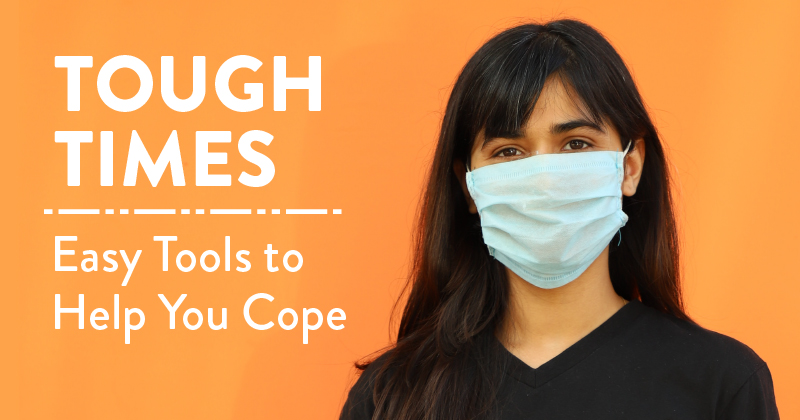
Worry, anger, demoralization, and languishing are some of the emotional responses to the pandemic that many are experiencing. This online seminar will review these responses and offer efficient strategies to deal with them. A primary focus will be on the witnessing model, developed by presenter Kaethe Weingarten, PhD, that describes four different witness positions that can affect behavioral health providers in their daily lives. Ways of moving into the only effective position will be suggested. Dr. Weingarten will describe concrete ideas for remaining in one's resilient zone – not stuck too high, not stuck too low. She will also share an approach for preventing the development of Post-Traumatic Stress Disorder.
Facilitator
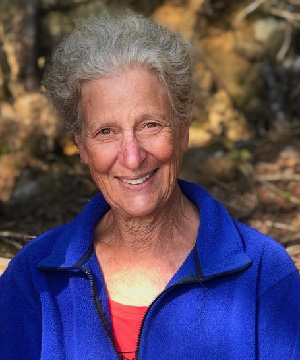
Kaethe Weingarten, Ph.D., directs the Witness to Witness (W2W) Program for the Migrants Clinician Network. The goal of W2W is to help the helpers, primarily serving health care workers, attorneys and journalists working with vulnerable populations. She was an Associate Clinical Professor of Psychology in the Harvard Medical School Department of Psychiatry from 1981-2017 and a faculty member of the Family Institute of Cambridge where she founded and directed the Program in Families, Trauma and Resilience. She has published six books and over 100 articles and essays. Internationally, she has taught in Africa, Australia, Canada, Europe, and New Zealand, where she was a Fulbright Specialist. Dr. Weingarten’s work focuses on the development and dissemination of a witnessing model. One prong of the work is about the effects of witnessing violence and trauma in the context of domestic, inter-ethnic, racial, political, and other forms of conflict. The other prong of the witnessing work is in the context of healthcare, illness, and disability. Her work on reasonable hope has been widely cited.
Continuing Education Credit (CEU)
We are pleased to offer 1.5 hours of CNE or CME* credit at no cost to participants.
CNE Credit: Migrant Clinicians Network is accredited as a provider of continuing nursing education by the American Nurses Credentialing Center's Commission on Accreditation. In order to receive continuing nursing education certificate, participants must submit the evaluation for each session.
CME Credit: An application for accreditation has been submitted to AAFP. Once approved, only participants who submit the evaluation for each session will receive their continuing medical education certificates.
Files

